Ikyereve Israel Terhemba (born December 25, 1971 - 2025) is a Nigerian gospel musician, evangelist, and songwriter from Mbamo, Kpav, Shitile in Katsina-Ala Local Government Area of Benue State. Known for his distinctive use of Tiv cultural sounds—especially traditional drums and trumpet—in Christian worship, he is regarded as one of the pioneers of contextualized Tiv gospel music rooted in indigenous performance styles.
Ikyereve was born on Christmas Day in 1971 in Tivland, Benue State, Nigeria. He completed his primary education at Sati-Agirigi in 1984 but did not proceed to secondary school. Shortly afterward, he relocated to Sokoto State to live with his elder brother, a police officer, where he began training as a mechanic.
His early years involved frequent migration across northern Nigeria, including residence in Gada (Sokoto State), Birnin Kebbi, Dan-Anacha (Taraba State), and Jalingo. During this period, he became disconnected from his home church tradition, the Nongo u Kristu u i Ser Sha Tar (NKST), partly due to the absence of the denomination in those locations.
In the early 1990s, while living in Dan-Anacha, Ikyereve became associated with criminal groups. Initially unemployed and idle, he joined a gang involved in theft and armed robbery operations. The group operated with organized tactics, informants, and defined roles for members during operations. His involvement continued until 1995, when a major robbery triggered a period of intense fear and instability for him.
During this time, he reportedly relied on traditional charms believed to provide protection and foresight. However, growing anxiety after one operation—particularly concerning the fate of a missing gang member—contributed to his eventual decision to seek help.
On March 16, 1995, in Jalingo, Taraba State, Ikyereve experienced a dramatic religious conversion that he later described as life-changing. Seeking assistance from a relative, he was directed to a Christian pastor, Thomas Fachanu, at Bible City Church of God.
During the encounter, he confessed his criminal activities and surrendered charms and money obtained through robbery. He subsequently underwent what he described as a spiritual transformation experience and committed himself to Christian discipleship.
Ikyereve remained under Pastor Fachanu’s mentorship for approximately five and a half years. During this period, he devoted himself entirely to prayer, Bible study, and spiritual training, often living within church premises. He reported learning principles of faith, holiness, and dependence on divine provision.
After completing this period of discipleship, he was released by his mentor to return to Tivland, which he did in 2001.
Upon returning to Benue State, Ikyereve briefly worked with the National Union of Road Transport Workers in Katsina-Ala. Concurrently, he engaged in intensive prayer and evangelism, particularly through deliverance and mission activities in rural communities such as Turan in Kwande Local Government Area.
He affiliated with Victory Bible Church, where he practiced extended fasting and evangelistic outreach.
While engaged in mission work, Ikyereve began composing songs that fused Christian messages with Tiv traditional rhythms, especially Swange, a popular Tiv dance-music style. He believed this musical direction was divinely inspired as a way to reclaim indigenous instruments for sacred use.
His performances typically feature:
Traditional Tiv drums
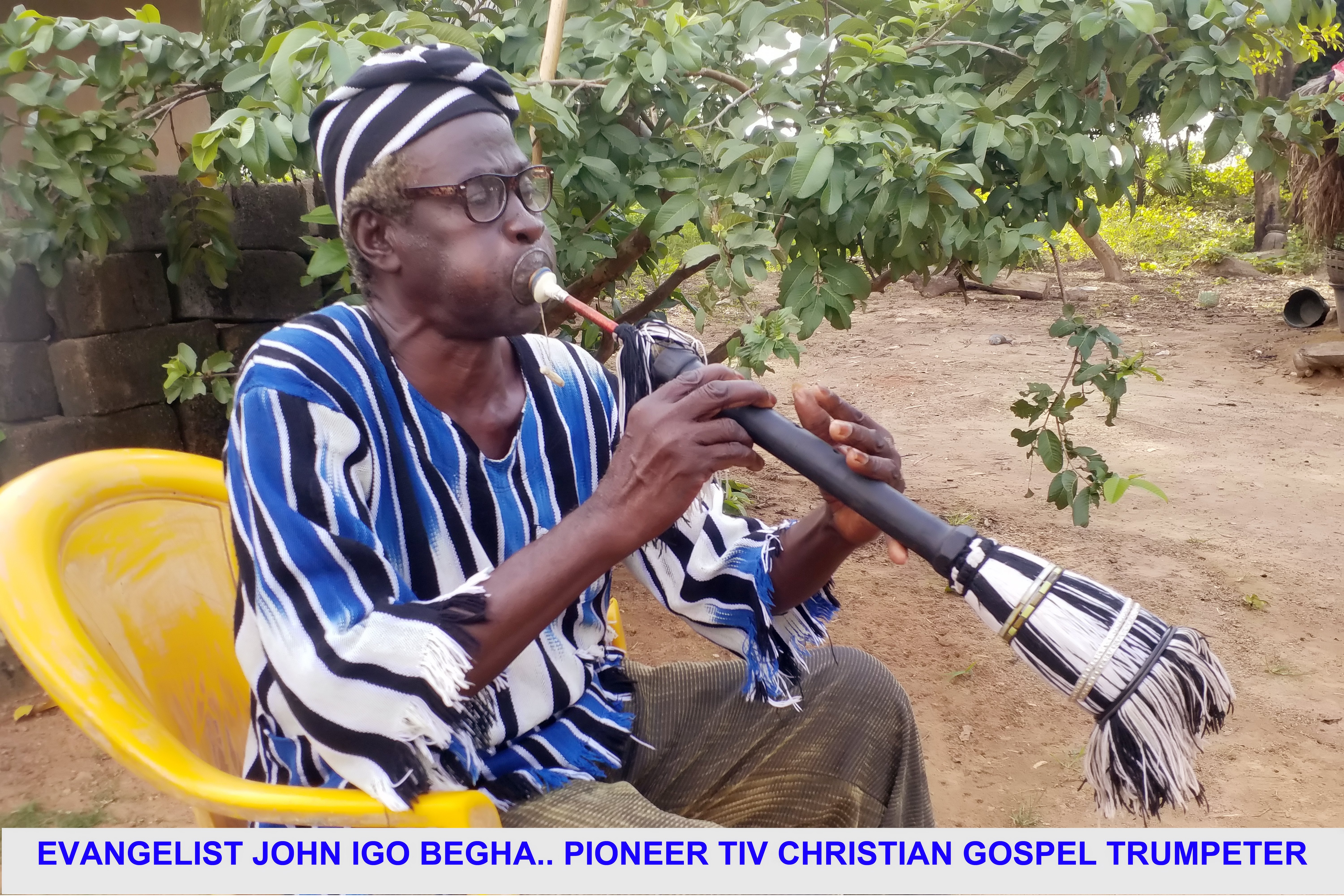
Indigenous trumpet (often made from local materials)
Call-and-response singing patterns
Lyrics in Tiv and English
He initially performed with minimal equipment, sometimes accompanying himself on drums while singing.
A key collaborator in his early ministry was Tertsea Agende, a young singer who joined him after recognizing his musical talent. Together they performed at churches, crusades, and community events.
A major turning point came with the discovery of trumpeter John Igo Begha, a former secular musician who had also converted to Christianity. Their collaboration enabled the fuller realization of Ikyereve’s vision of Tiv gospel music centered on traditional instrumentation.
Ikyereve’s ministry gained wider attention after performances at large church gatherings, including events in Abuja. His style has been compared to popular contemporary acts in terms of energy and crowd engagement, while remaining rooted in spiritual themes.
Ikyereve is married and continues to live a ministry-centered life, combining evangelism with music. He has described his work as a divine assignment to redirect Tiv cultural expressions toward Christian worship.
Ikyereve Israel Terhemba is regarded by supporters as a transformative figure who moved from a life of crime to religious leadership through music. His emphasis on indigenous instruments and Tiv language worship contributes to broader efforts to contextualize Christianity within African cultural traditions.
Discover other Tiv artistes preserving our cultural heritage
Do you know a Tiv artiste who should be documented? Help us preserve our oral traditions and musical heritage for future generations.